ServicesCredit Repair
Credit Repair in Largo, FL
We start by going through your Equifax, Experian and TransUnion reports line by line. Then we tell you plainly which entries look wrong, which are accurate, and what a dispute can and cannot change before you enroll in anything.
What credit repair actually fixes
Credit repair means locating entries on your credit report that are inaccurate, incomplete or can't be verified, then challenging them with the three bureaus and with the lenders or collectors that supplied the data. The federal Fair Credit Reporting Act sets an investigation window, usually 30 days from when the bureau receives your dispute. Anything the bureau can't confirm in that time has to be corrected or removed.
What it won't do is strip out negative information that is accurate and current. If you really did pay late, that mark can remain for seven years counted from the original delinquency date. We tell you this up front, because the truthful answer is what determines whether paying for a credit repair program makes sense in your case.
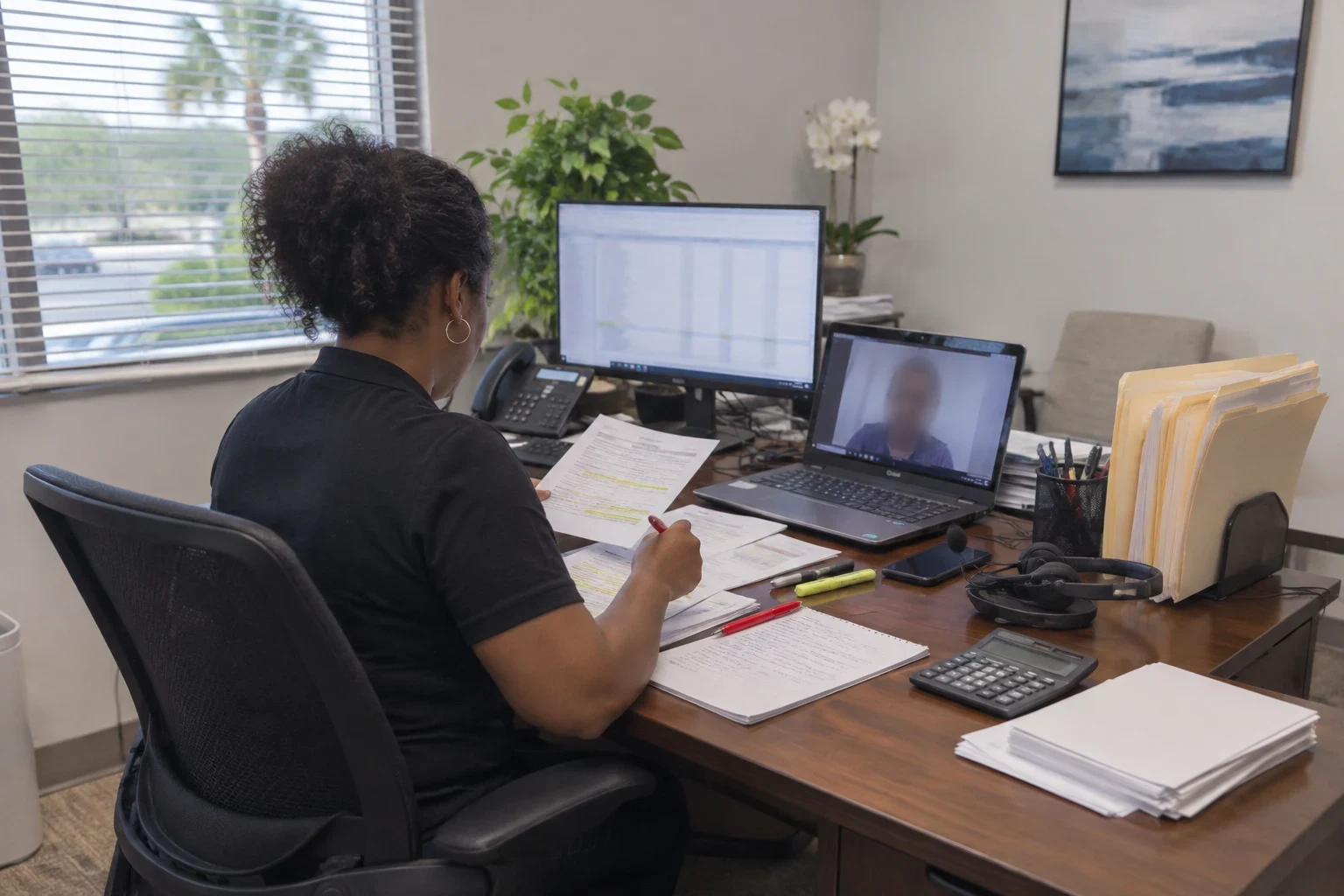
So we inspect before we recommend anything. Every tradeline, inquiry and public record gets reviewed, you see the findings in plain terms, and only after that do we suggest a plan. The review can take place at our Largo office or over a phone or video call.
What our credit repair work includes
- Three-bureau report review
- We read all three reports side by side. Differences between bureaus are often the first clue: a balance reported one way at Experian and another way at TransUnion means at least one of them is wrong.
- Written findings
- You get a plain list of every item we flagged and why. Items we believe are accurate are marked as accurate, so you aren't paying to dispute something that will come back verified.
- Item-specific disputes
- Each dispute names the exact field that is wrong, such as the date of first delinquency, the reported balance or the account status, and includes supporting documents where you have them. We don't send generic form letters, which bureaus can treat as frivolous and set aside.
- Direct disputes with furnishers
- When a bureau verifies an item we still believe is wrong, we can dispute directly with the lender or collector that reported it.
- Result tracking between rounds
- When responses arrive, we compare the updated reports against the originals, confirm what changed and decide whether another round makes sense.
- A path to funding
- Once your reports are cleaned up, we can talk through Personal Funding or Small Business Funding and which applications fit your file.
Signs your credit report needs a closer look
Accounts you don't recognize
A card or loan you never opened usually traces back to one of two causes. Either someone used your identity, or the bureau merged records from a person with a similar name or Social Security number into your file. Both can be disputed, and identity theft has a separate blocking procedure.
The same debt listed twice
When a debt is sold, the original lender and the new collector can both keep reporting a balance. One debt then weighs on your score as if it were two.
Late payments you paid on time
A payment posted to the wrong account or lost during a servicer transfer can show up as a 30- or 60-day late you never had. Your bank statements are usually the proof that settles it.
Old debts with new dates
Watch the date of first delinquency. If it has been pushed later, the seven-year reporting period effectively starts over. This is known as re-aging, and it is a reporting error you can challenge.
A denial you can't explain
Lenders who turn you down or offer a high rate must send an adverse action notice naming the main reasons. When those reasons don't line up with your actual history, your report needs a careful read.
How a credit repair engagement runs
- 1
Consultation and report pull
We meet at our office or by phone or video, hear what you are working toward, and help you pull current reports from all three bureaus.
- 2
Line-by-line review
We check personal information, every tradeline, every inquiry and any public records. Each entry is compared across bureaus and against any statements or letters you have.
- 3
Findings and your decision
We walk you through what we found, what we would dispute and what we would leave alone. You decide whether to enroll after you've seen the findings.
- 4
Dispute rounds
Disputes go out by item and by bureau. Each round runs roughly 30 to 45 days while the bureaus and furnishers investigate.
- 5
Review and next steps
We check the results against the original reports, report back to you, and plan the next round or the move toward funding.
What affects the cost of credit repair
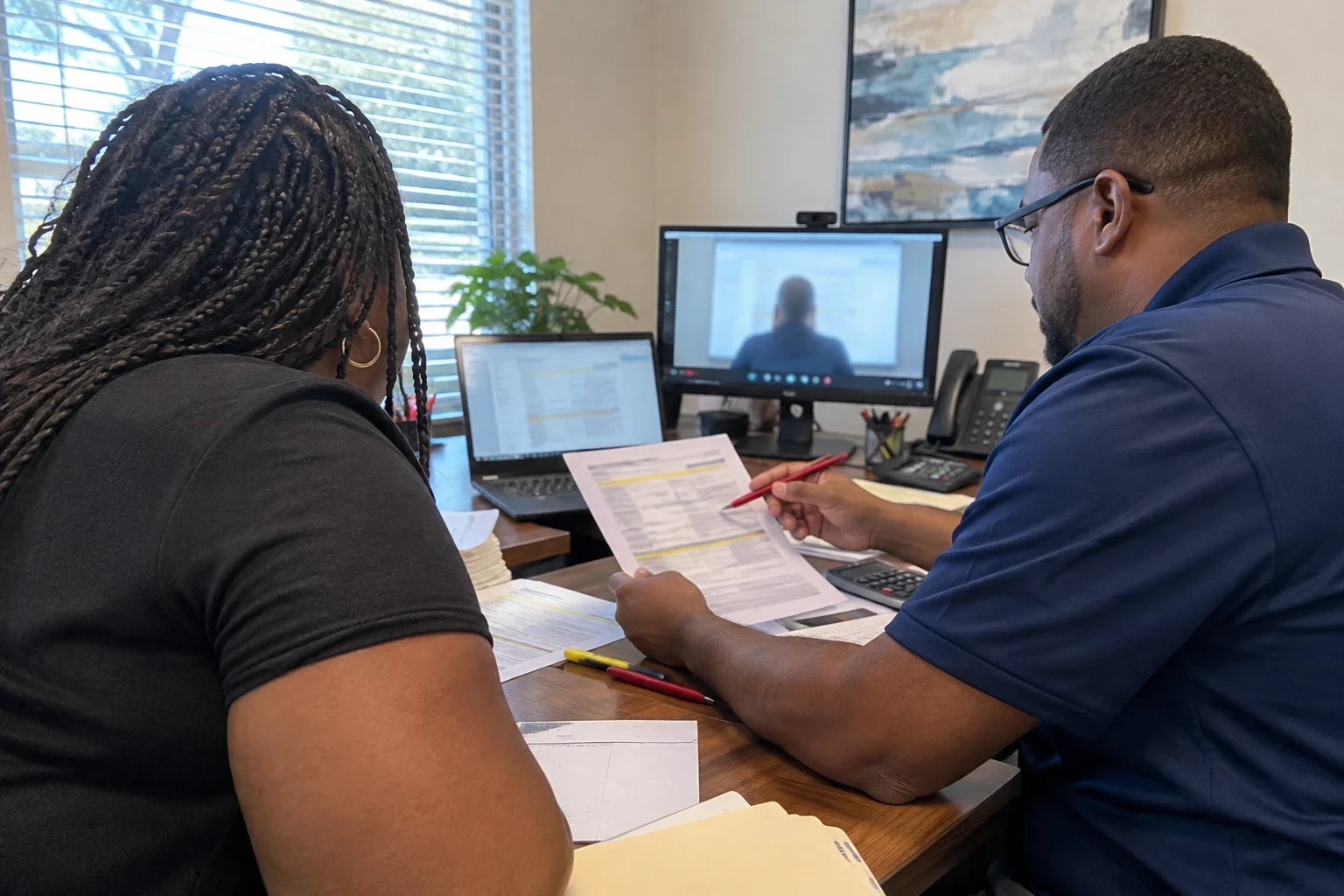
We don't quote a price before we've seen your reports, because the reports decide the work. After the review, we go over the cost with you by phone along with the findings. You know what you would be paying for before you enroll.
- Number of disputable items
- Three wrong late payments take less work than a dozen errors spread across collections, charge-offs and inquiries.
- How many bureaus are involved
- An error on one report is one dispute. The same error on all three needs three, and each bureau may answer differently.
- Complexity of the problem
- Identity theft and mixed files take more documentation, including an FTC identity theft report in many cases, and more follow-up than a simple balance error.
- Rounds needed
- Some items fall off after the first round. Others get verified and need a second round or a direct dispute with the furnisher.
Credit repair questions
Something not covered here? (727) 739-2855
Can you remove accurate negative items from my credit report?
No. Accurate, timely information can legally stay for its full reporting period, usually seven years and up to ten for some bankruptcies. What we can do is find entries that are wrong, incomplete or unverifiable and dispute those. We'll tell you which is which during the review.
How long does credit repair take?
Each dispute round takes roughly 30 to 45 days because of the investigation window. Many clients need two or three rounds. A short list of clear errors can resolve faster than a file with identity theft or a mixed file.
Will disputing items lower my credit score?
Filing a dispute does not lower your score. The score can change when an item is corrected or deleted, usually upward, though removing an old account can shift your average account age or utilization. We explain those trade-offs before anything is sent.
Can't I just dispute errors myself?
Yes. Disputing directly with the bureaus is your legal right and costs nothing. What we add is a careful three-bureau review, disputes that name the exact error, and follow-through when a bureau verifies something that is still wrong.
Do I have to come to the office?
No. You can meet us at our office or work with us entirely by phone and video. Clients in Clearwater, Seminole and Pinellas Park often choose video.
What happens after my reports are cleaned up?
If you are aiming for a loan or credit line, we can move into Personal Funding or Small Business Funding. We look at which lenders and products fit the file you have now, so you aren't applying blind and piling up hard inquiries.

Find out what's really on your reports
One phone conversation sets up your review and tells you whether a credit repair program fits your financial goals. If business funding is the end goal, we'll plan for that too.